Research

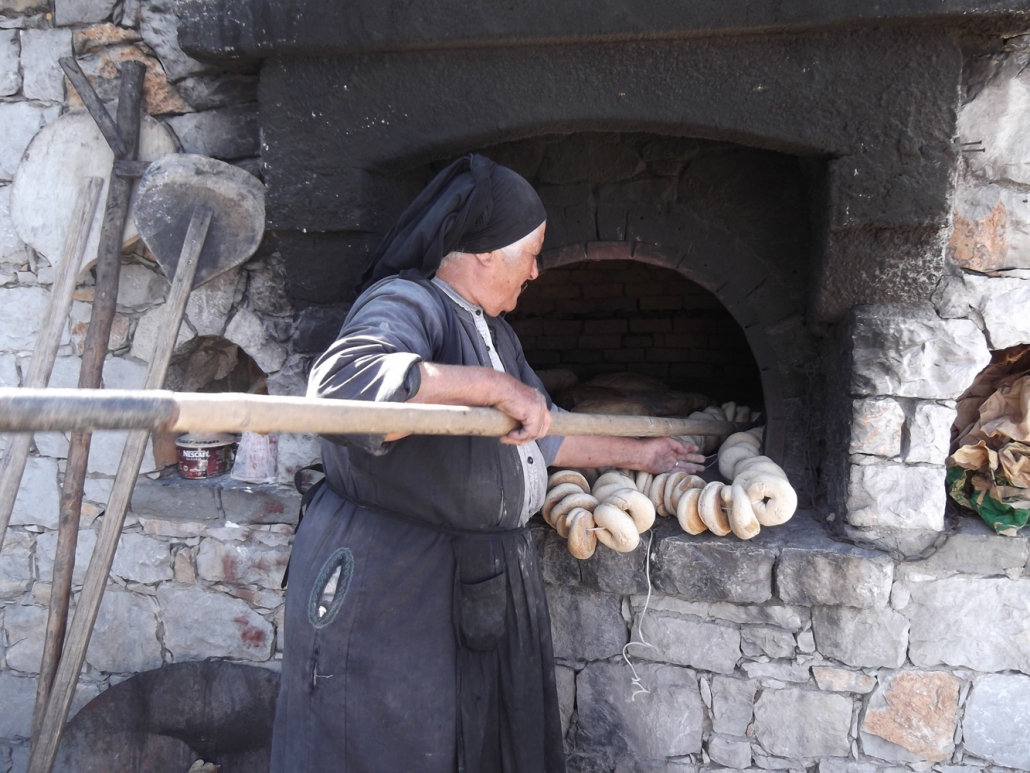
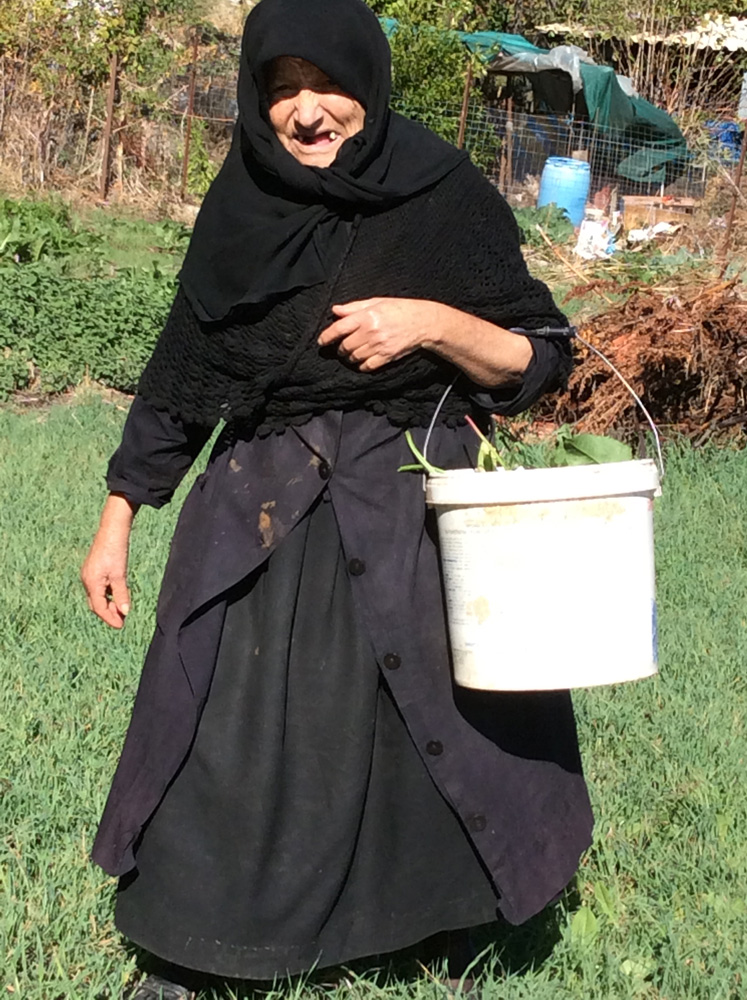
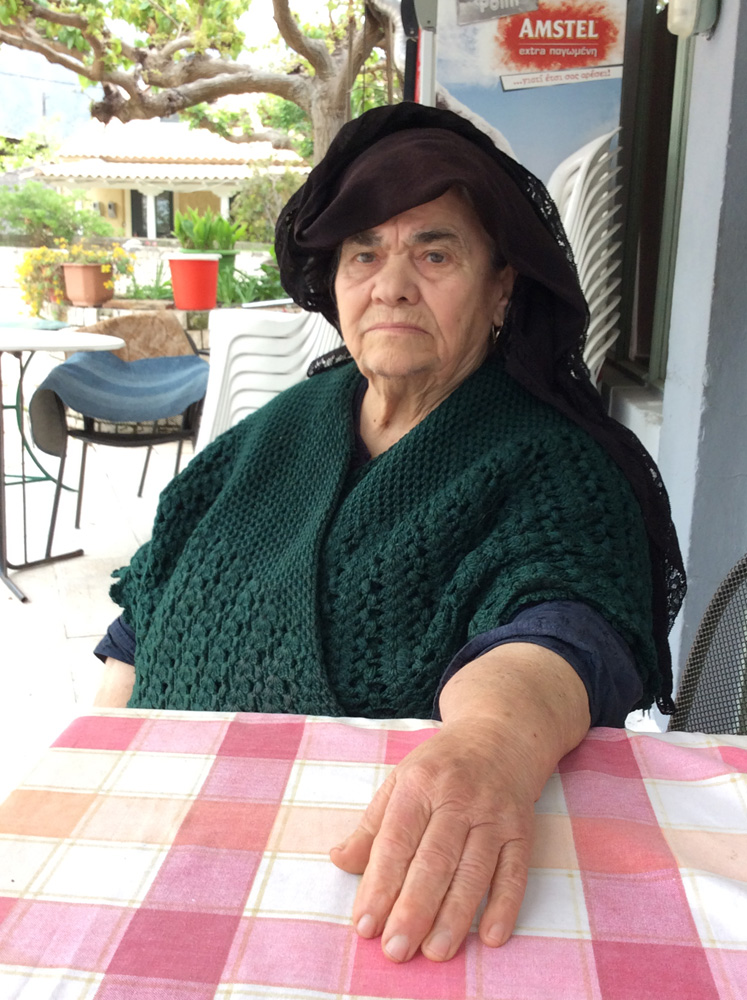
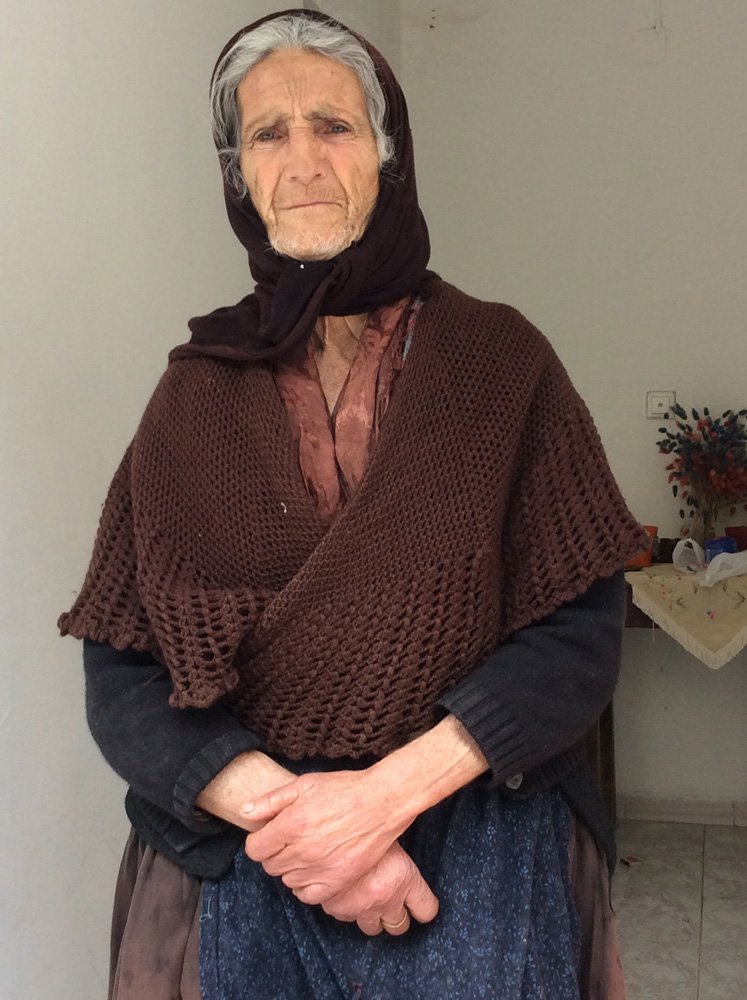
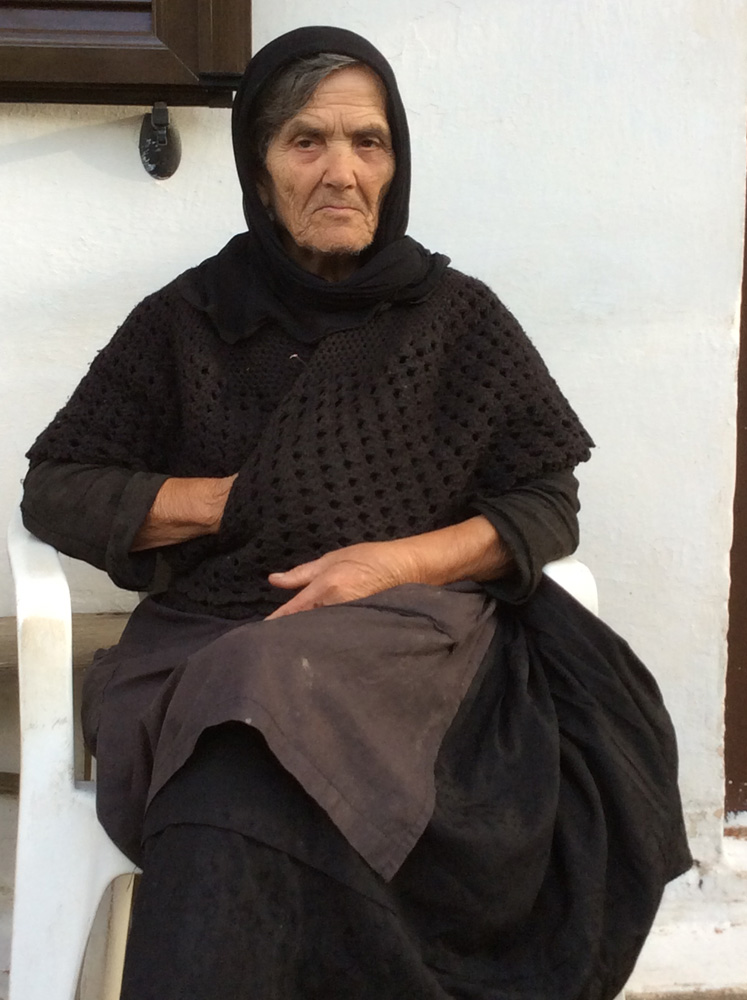
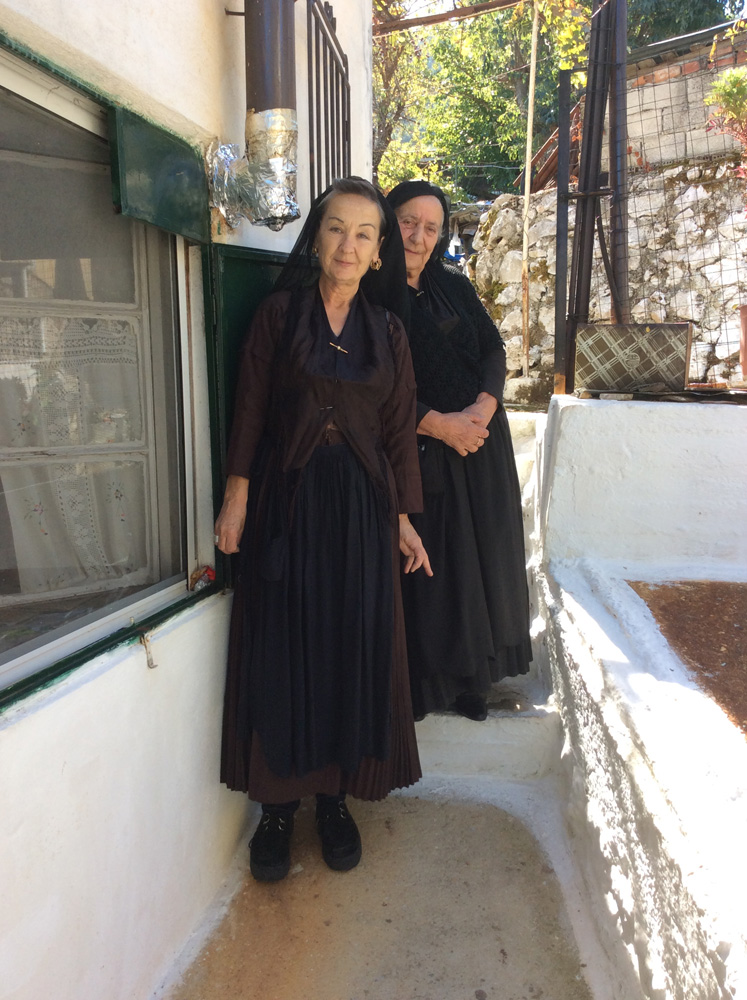
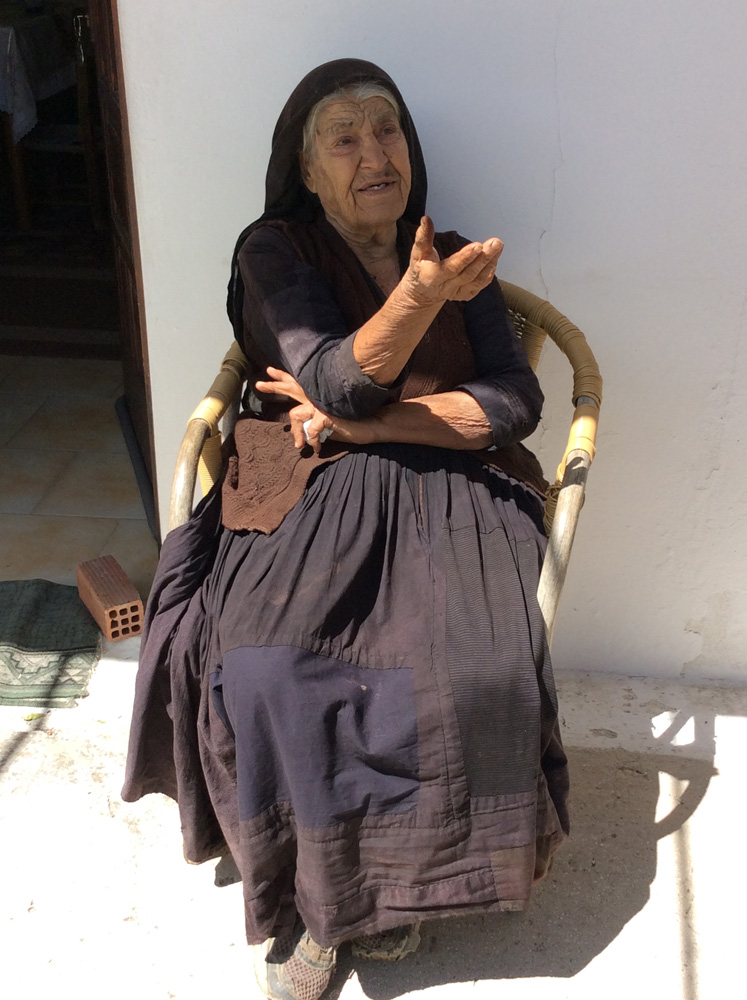
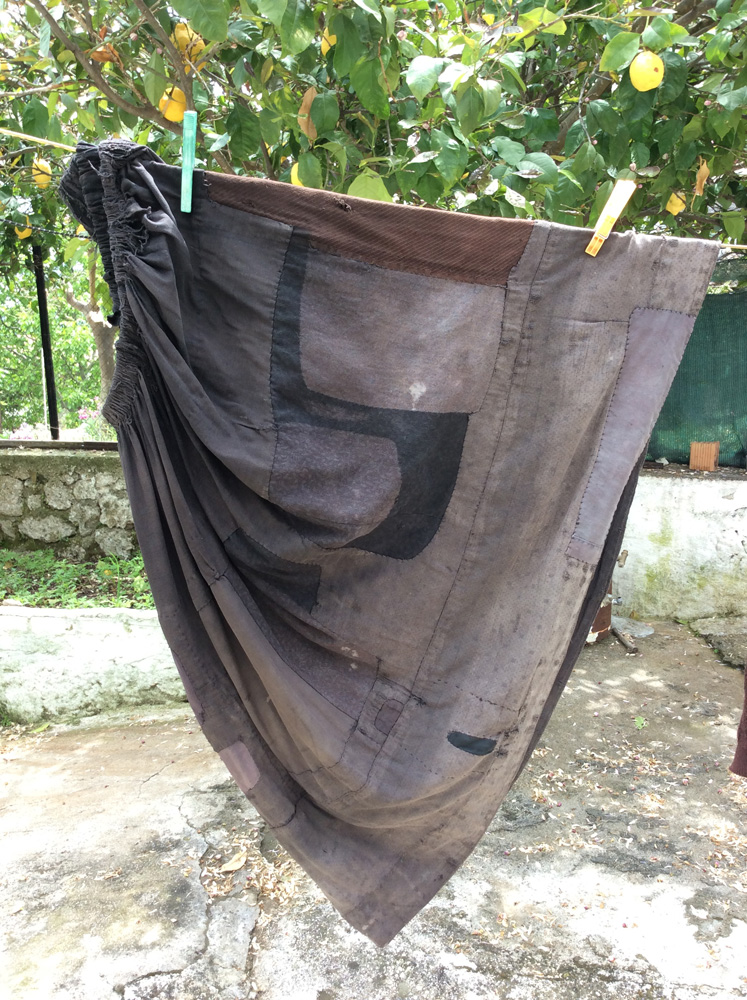
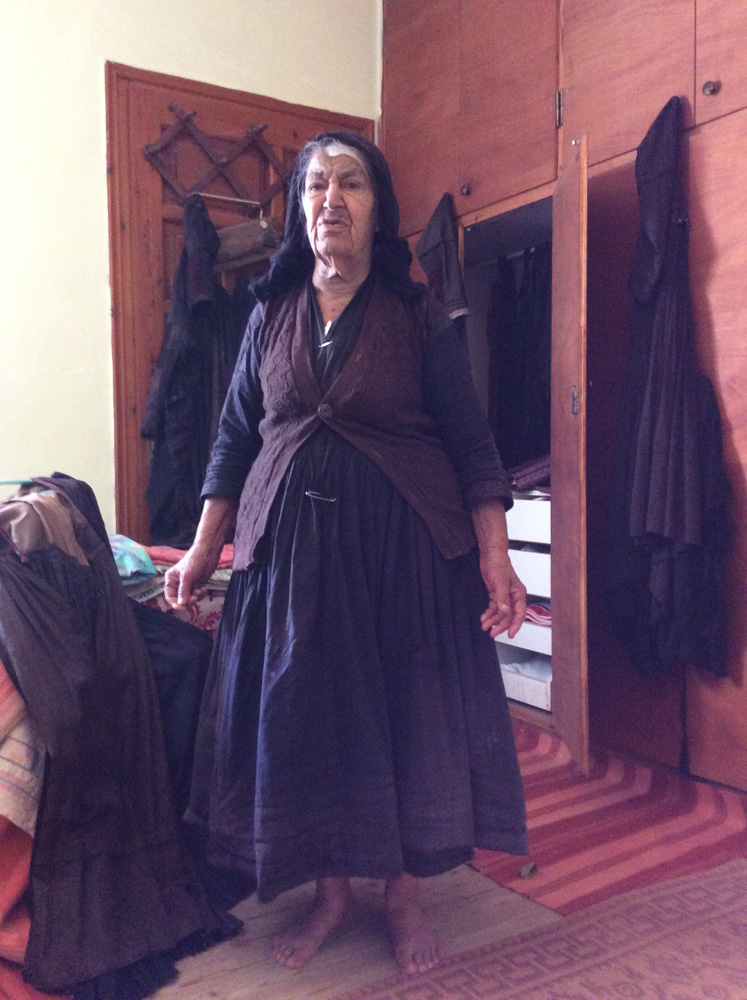
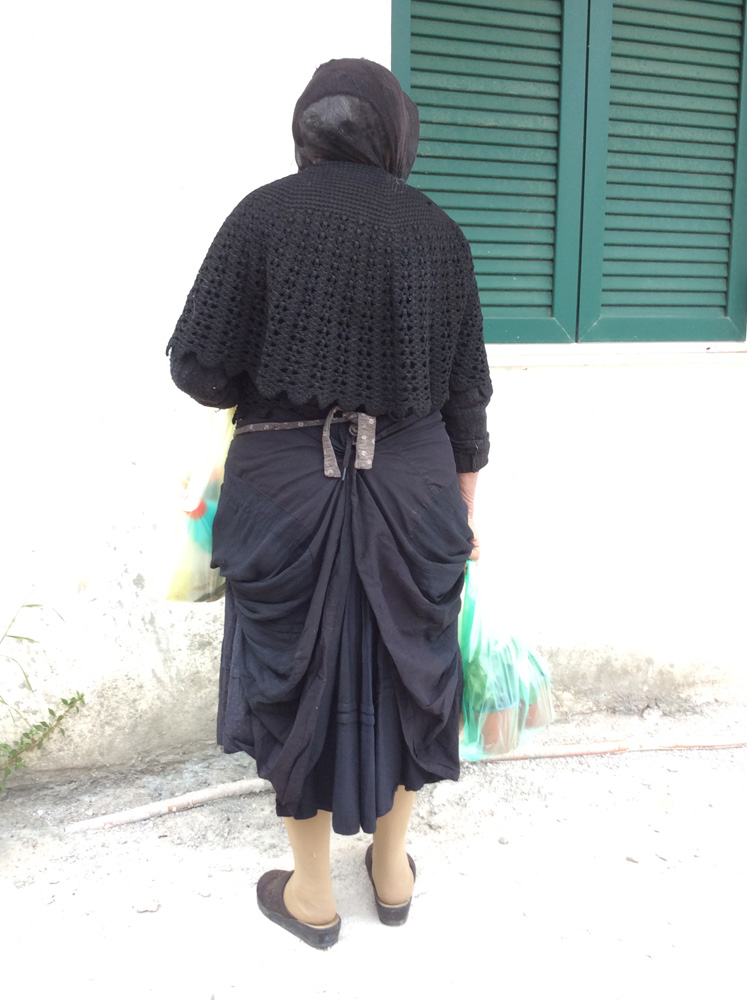
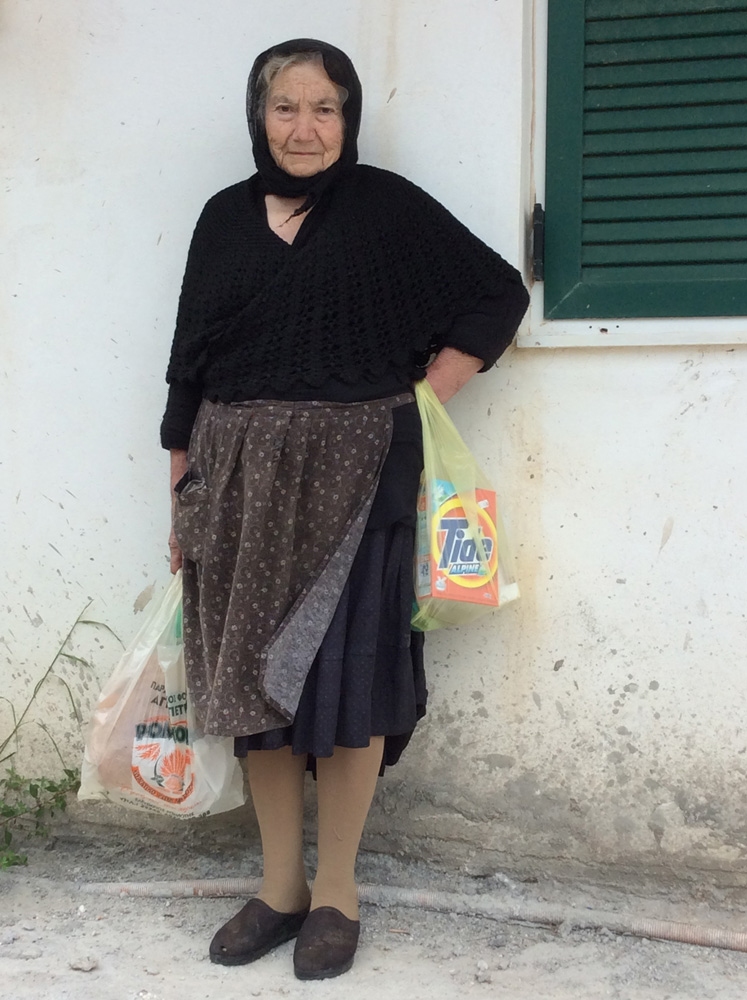
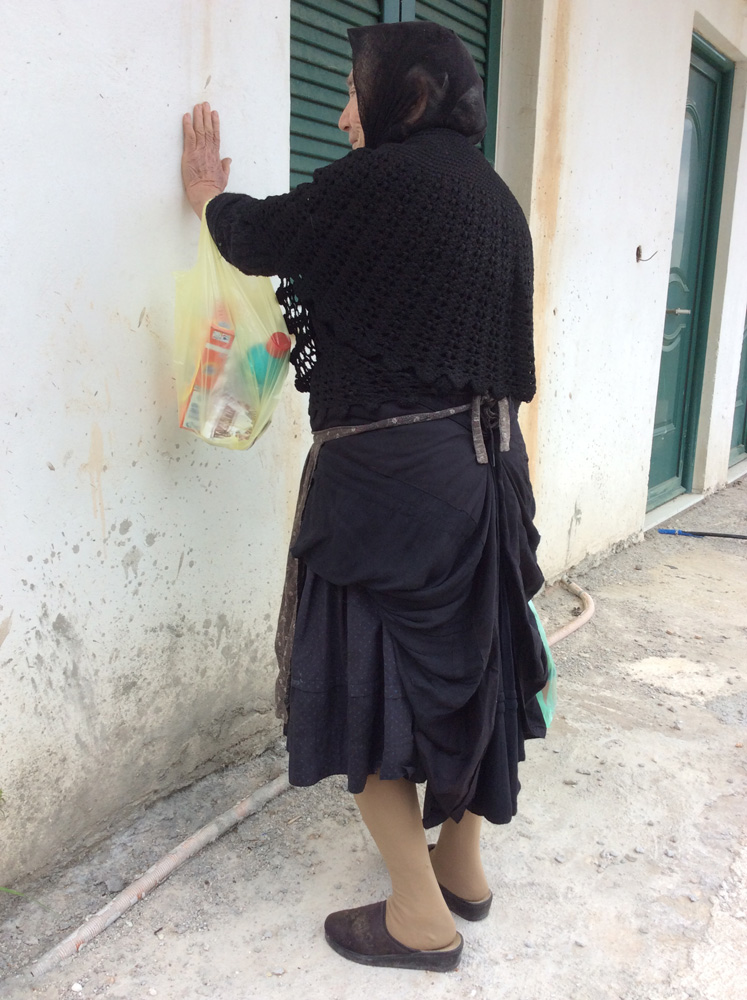
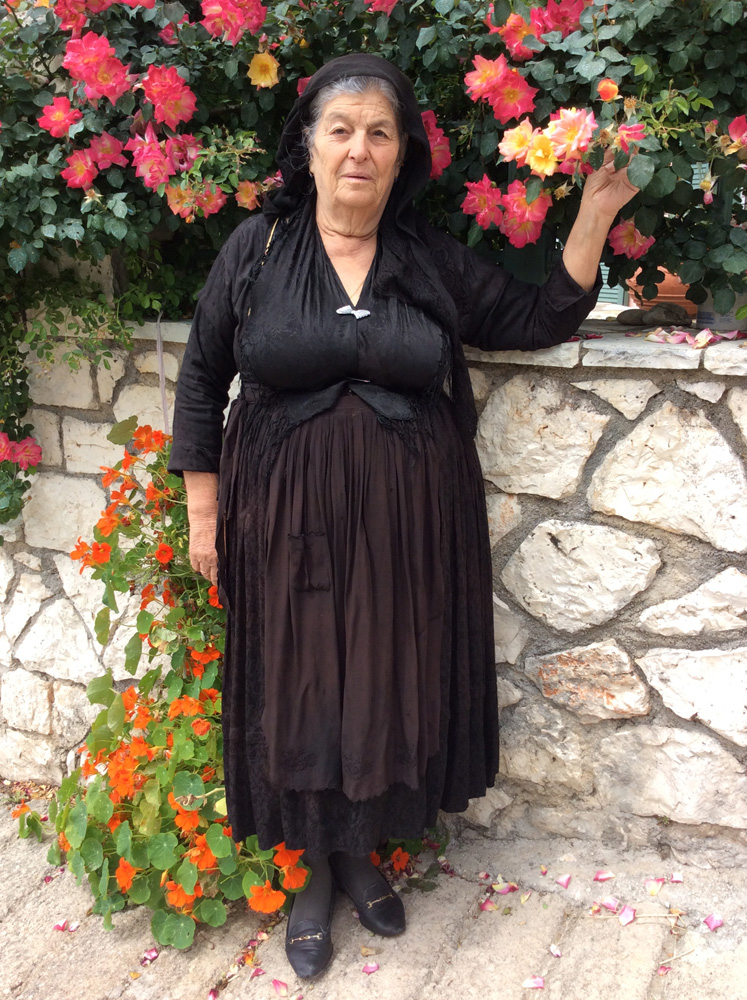
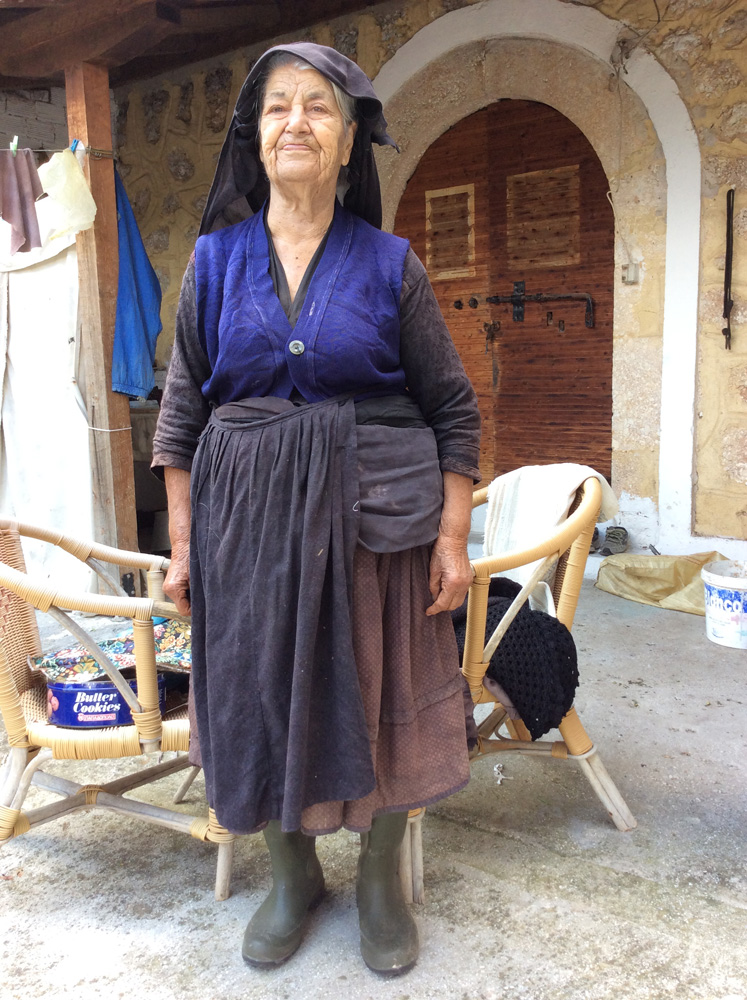
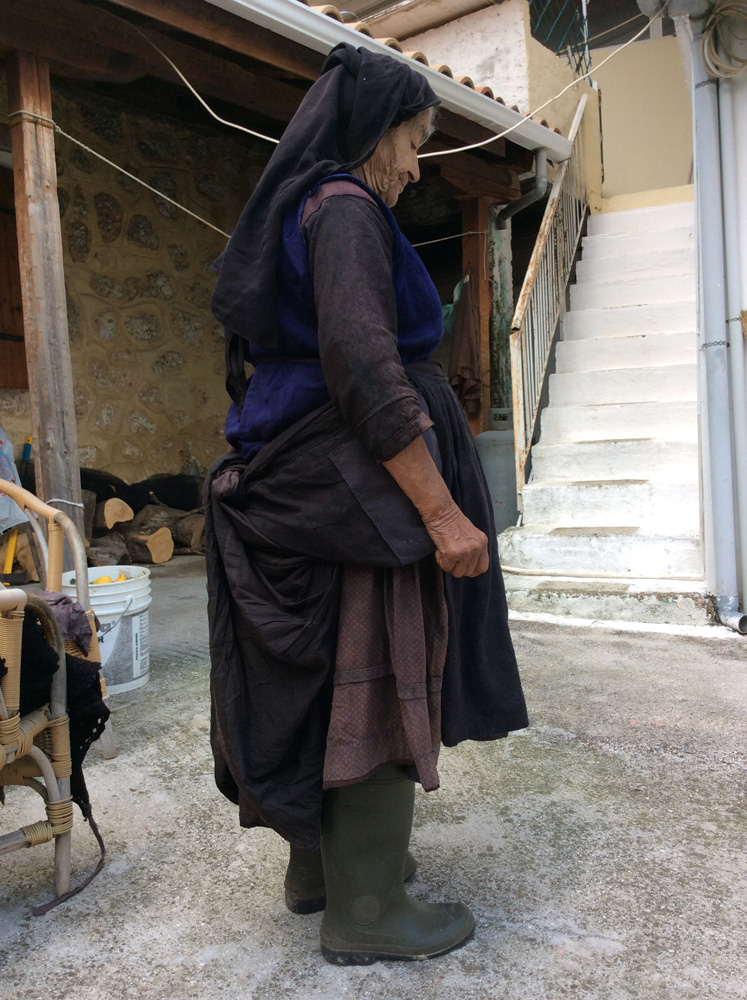
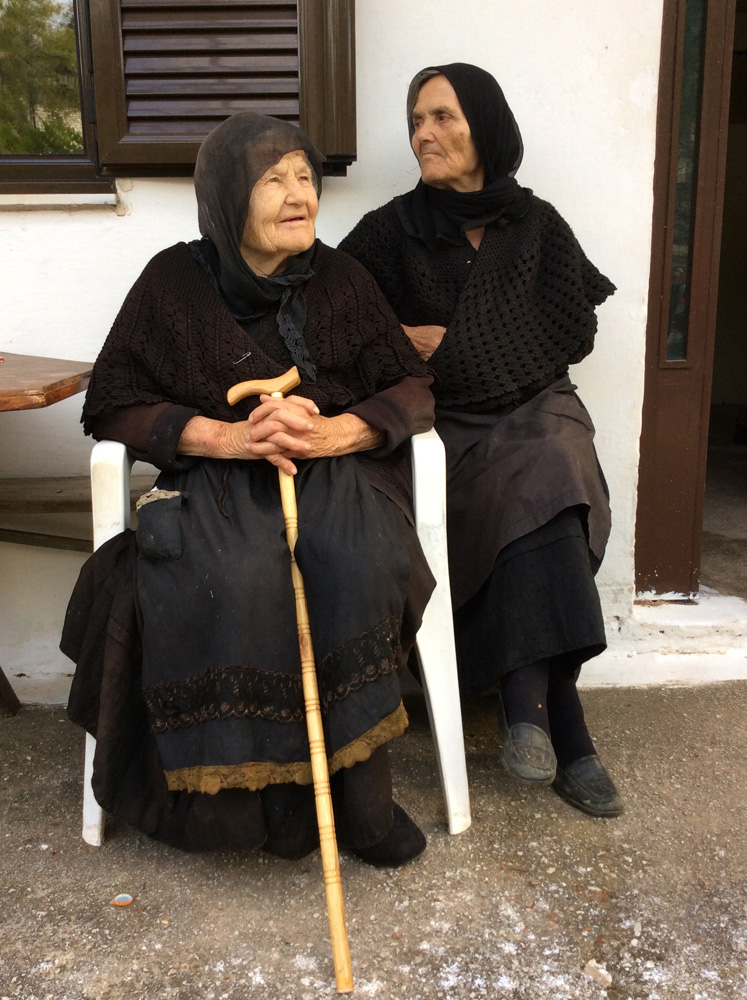
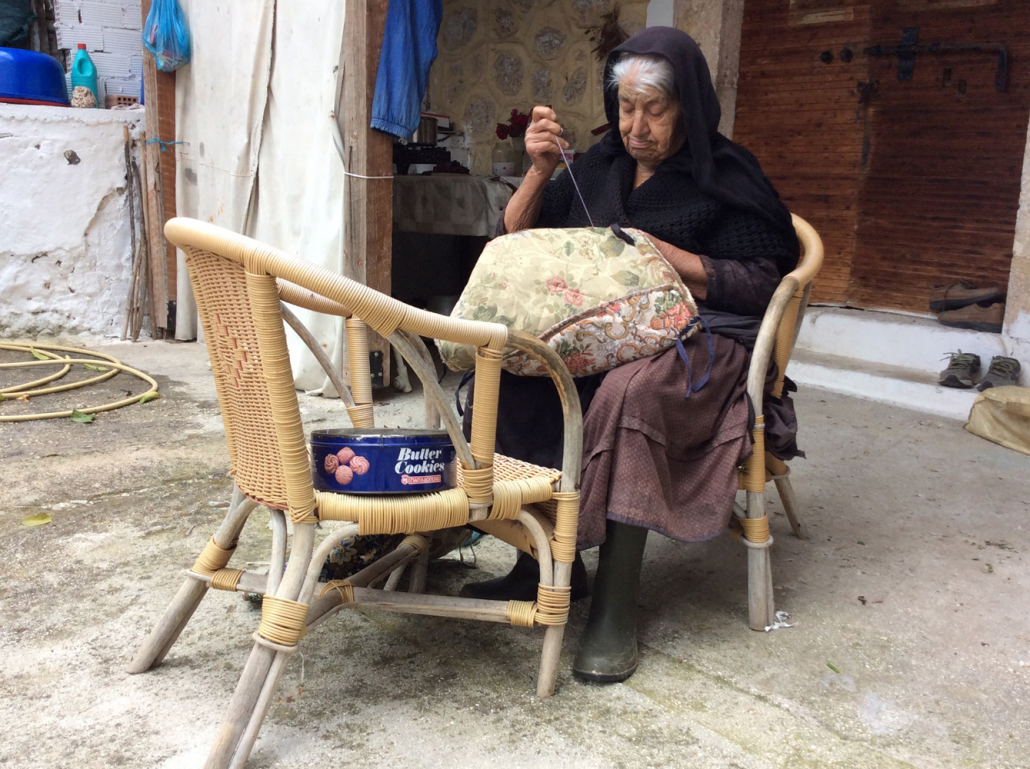
I have a lifelong interest in diverse cultural clothing and textiles. Travelling in Greece on vacations I found rural areas where traditional Greek dress is still worn. The juxtaposition of this next to the overtly commercialized and sexualized garments of contemporary holiday makers’s clothing fascinates me. I am amazed that still women in Europe continue to wear their traditional clothing.
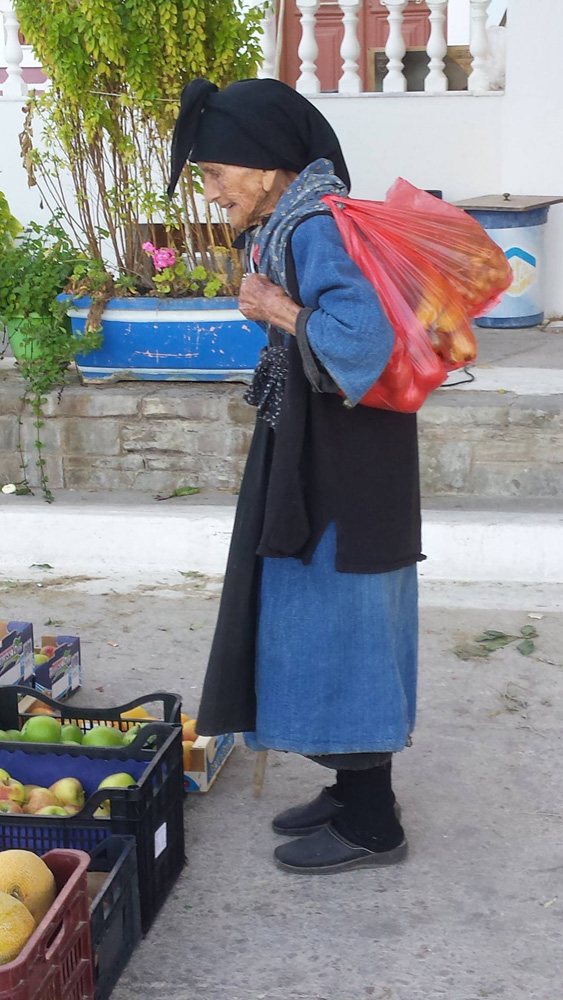
Southern Greece
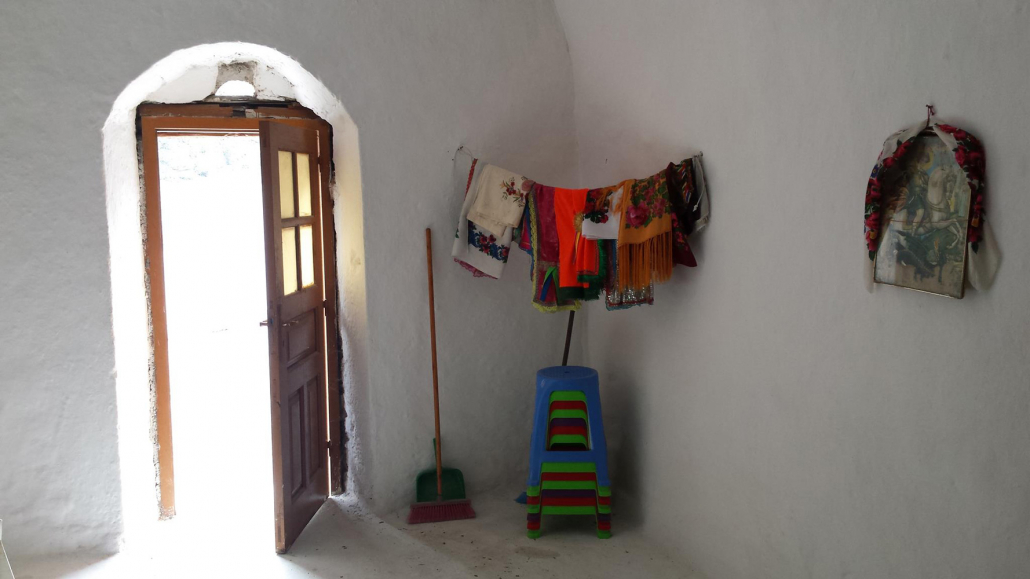
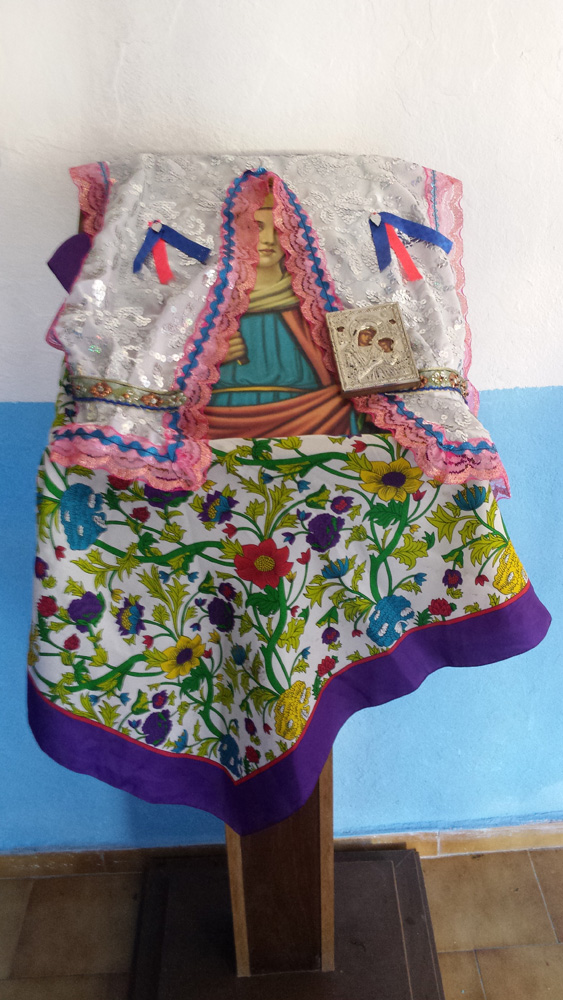
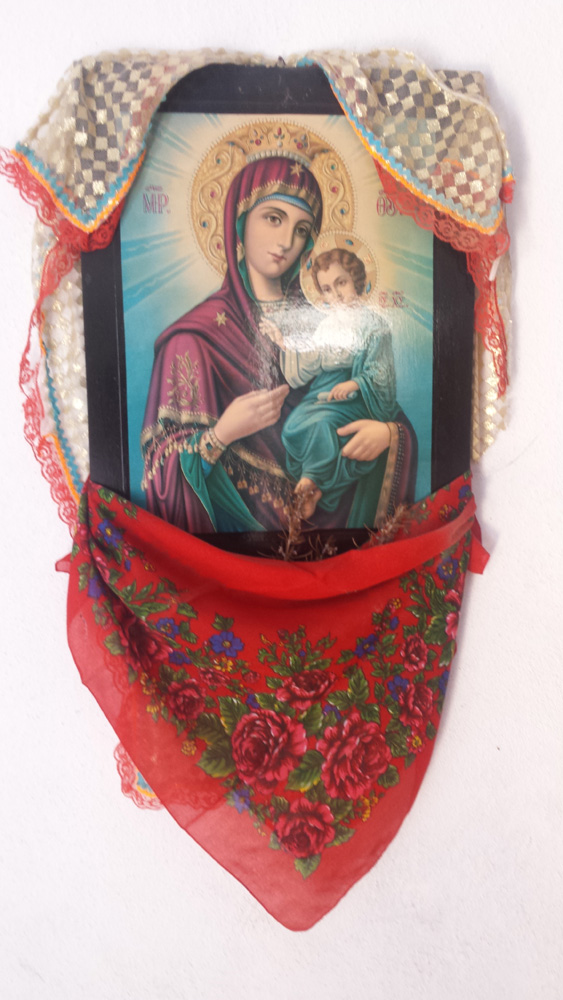
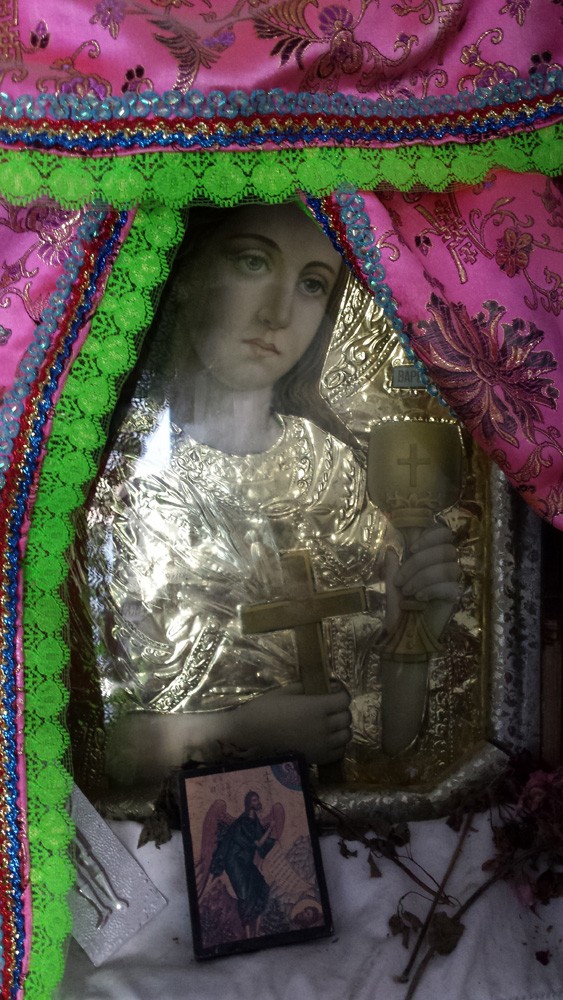
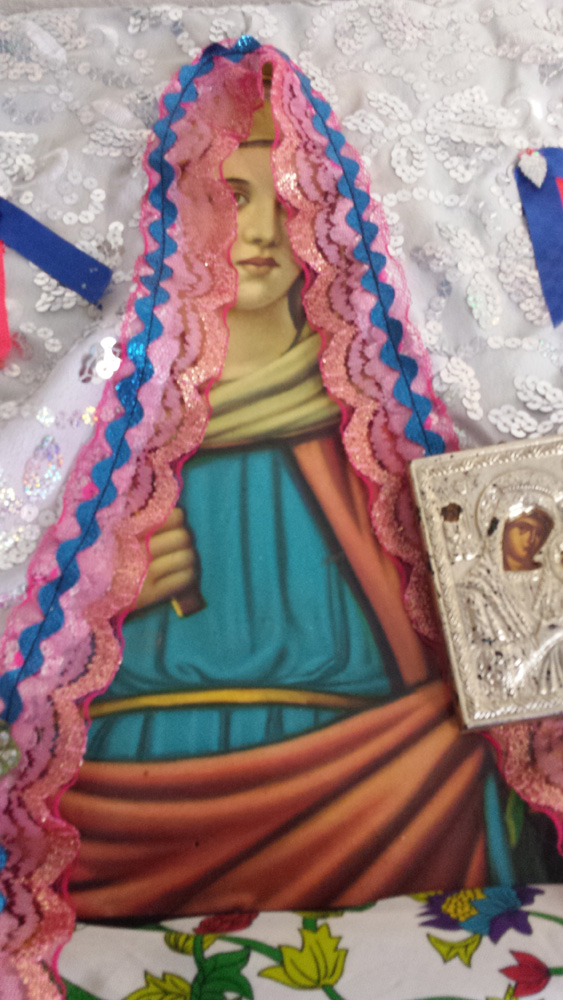
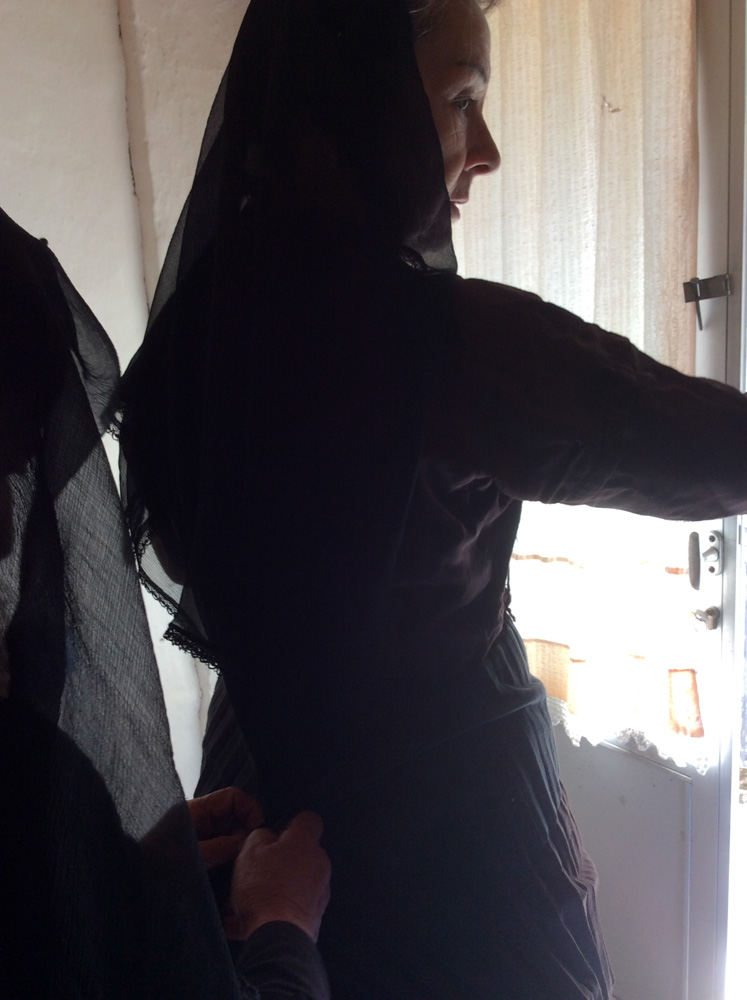
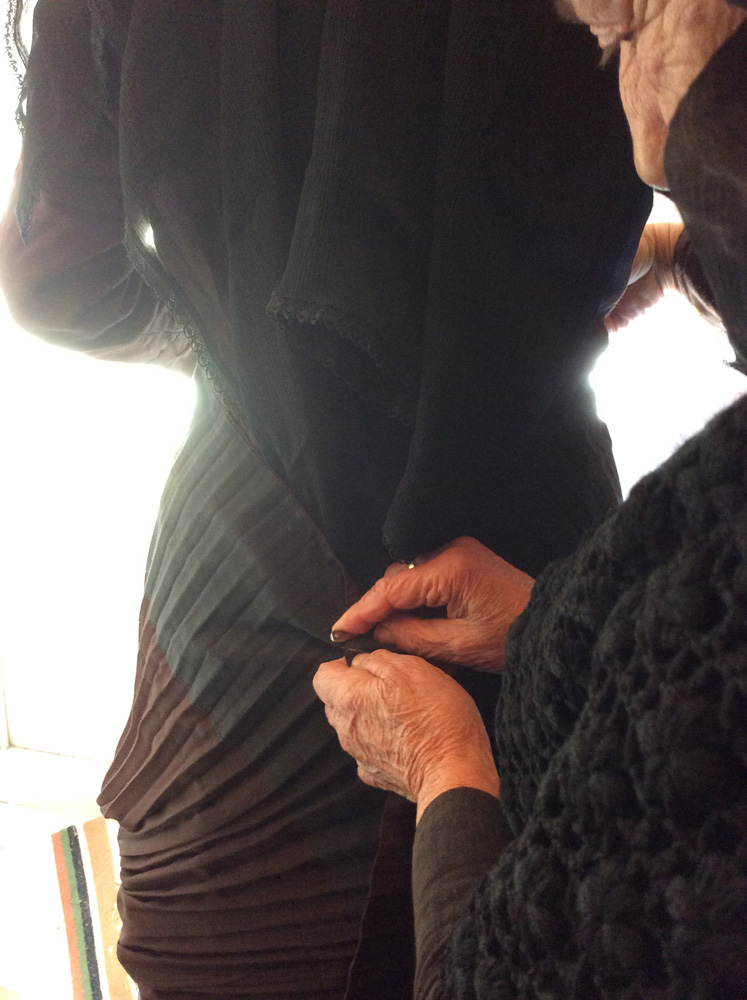
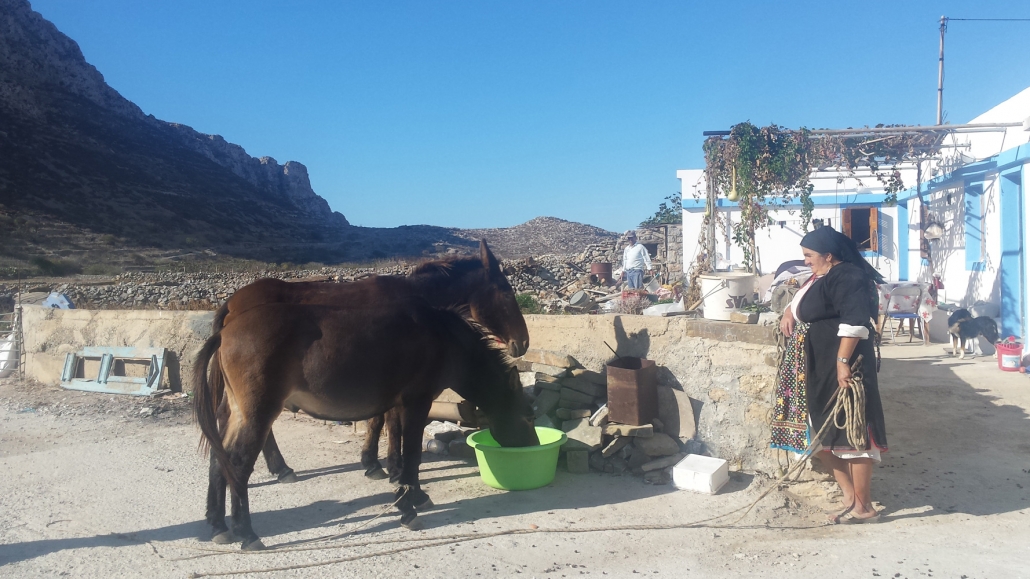
The matriarchal society of Olymbos and Diafani supports the perpetuation of traditional dress and ritual. Their unique Greek dialect is derived from the ancient Doric language. Church icons are commonly dressed with headscarves and the fancy sequinned cloth that is typically used for Festival dress.
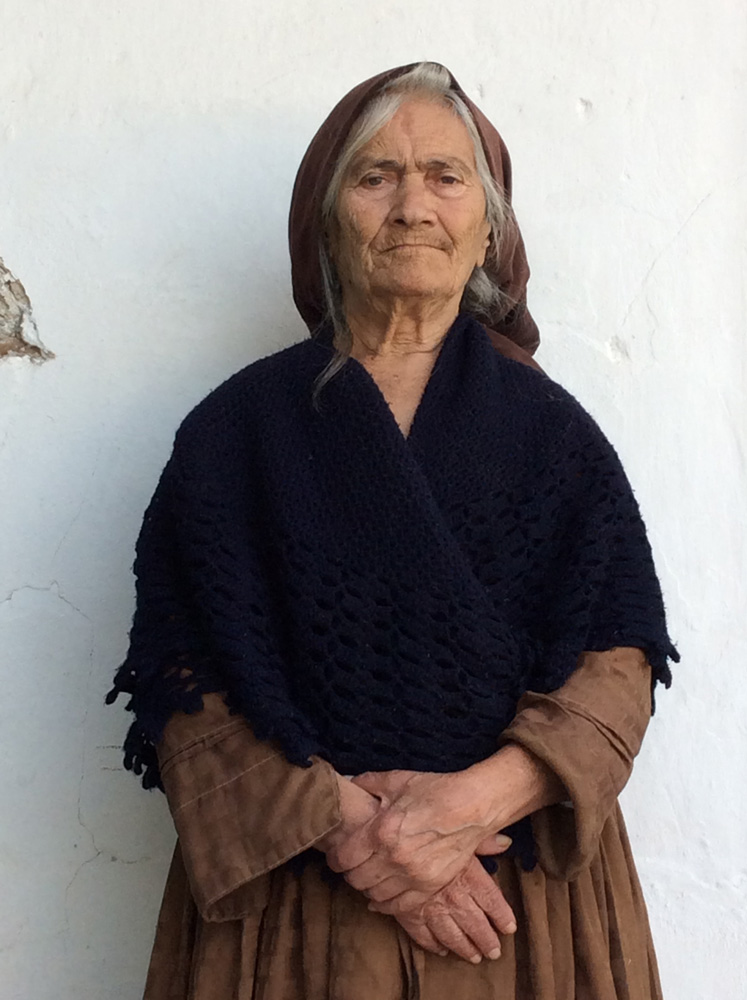
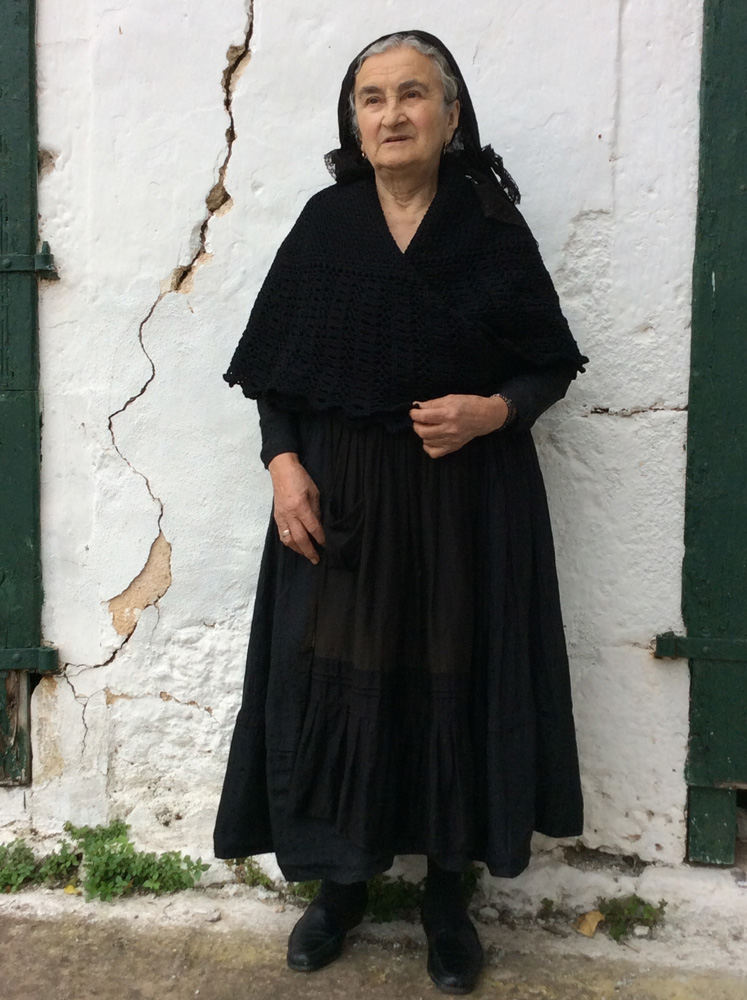
These photographs were taken on vacation and are a snapshot of my interest in the continued wear of traditional and cultural dress in Karpathos and Northern Greece.

Northern Greece
These photographs were taken on vacation and are a snapshot of my interest in the continued wear of traditional and cultural dress in Karpathos and Northern Greece.

Vacation exploring South West China

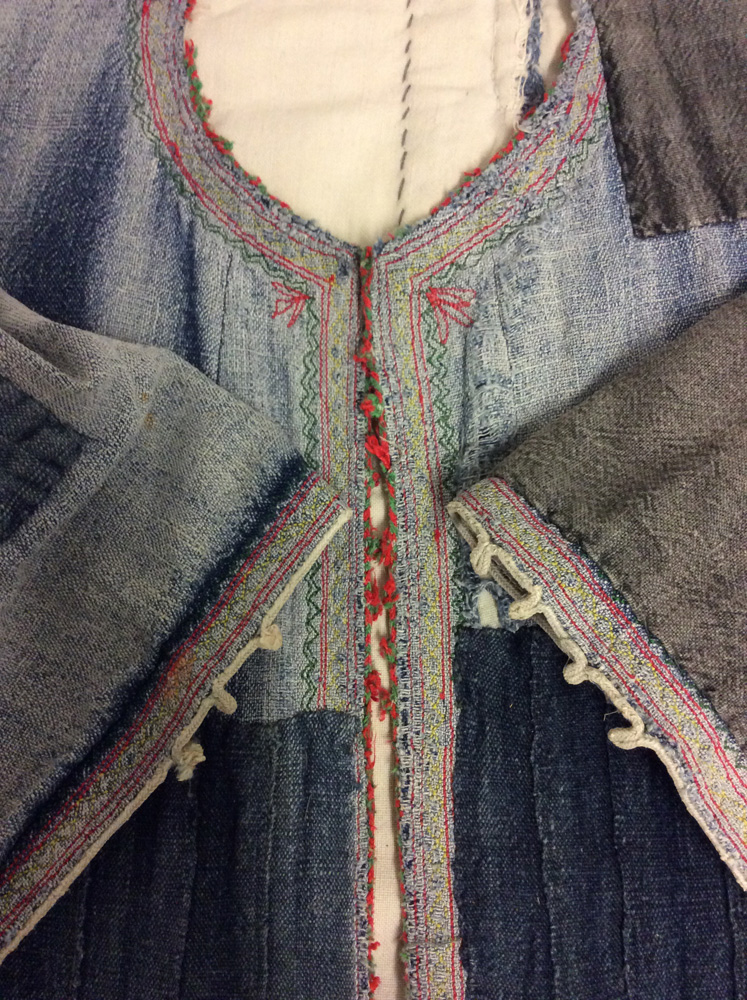
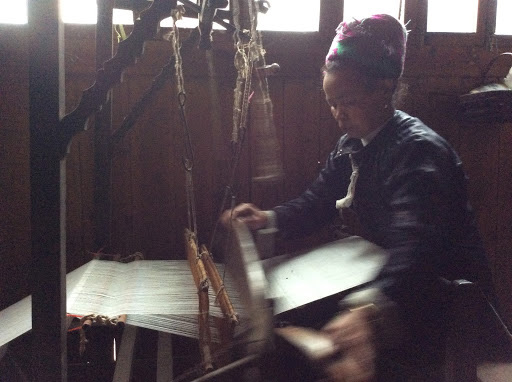
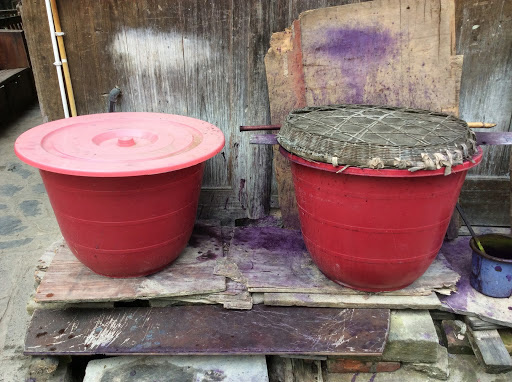
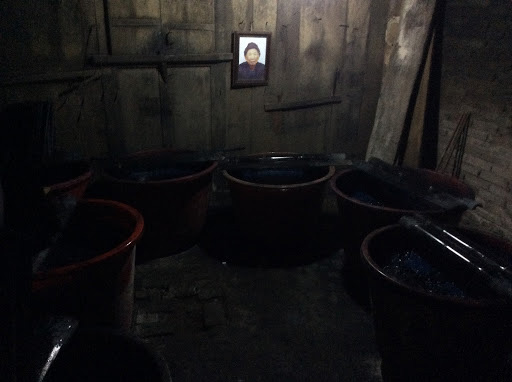
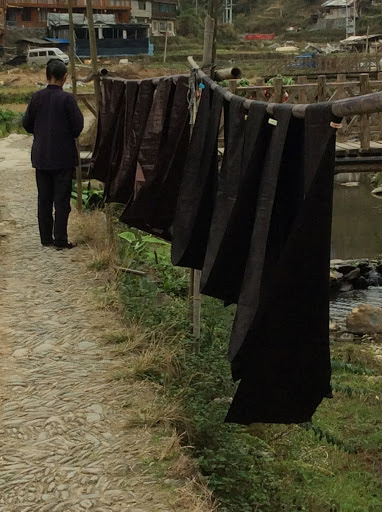
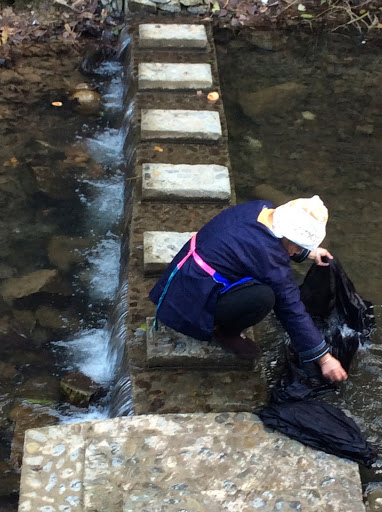
I travelled to China for a short holiday and found much traces of Indigo still being used and traditional dress being worn. This has been extremely influential in some of my recent work.

China – Guizhou
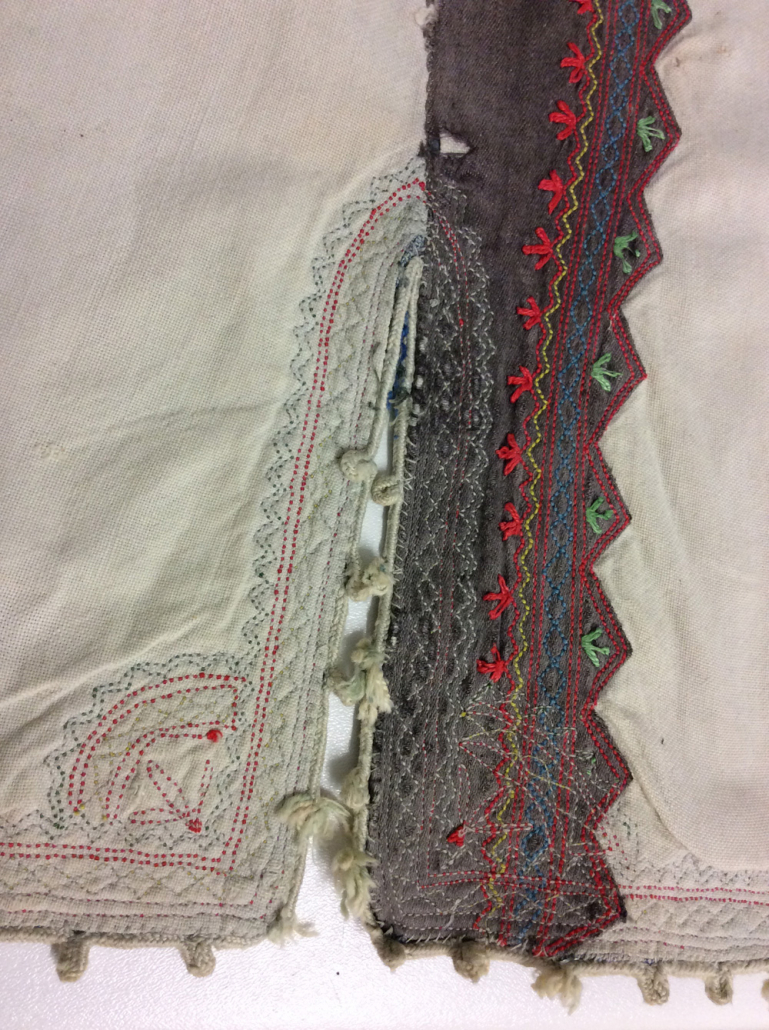
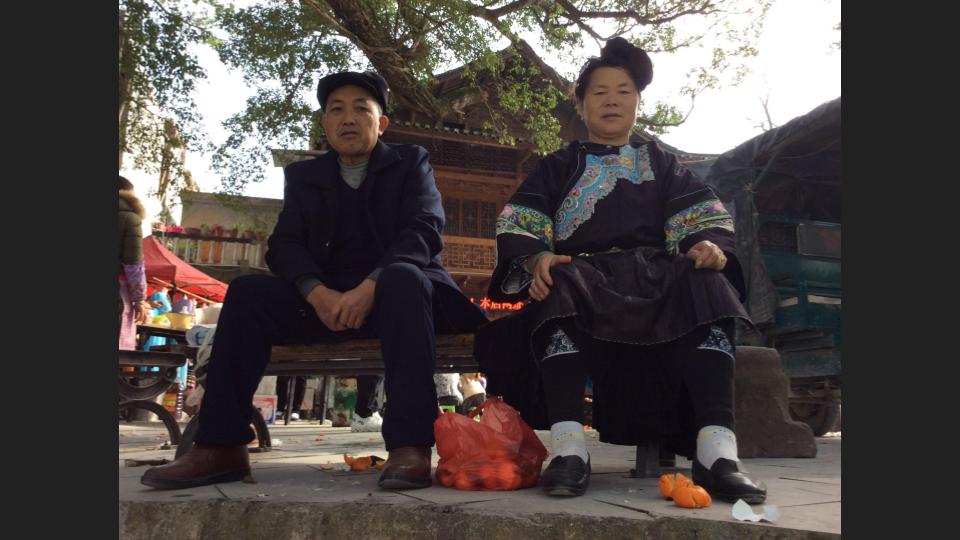
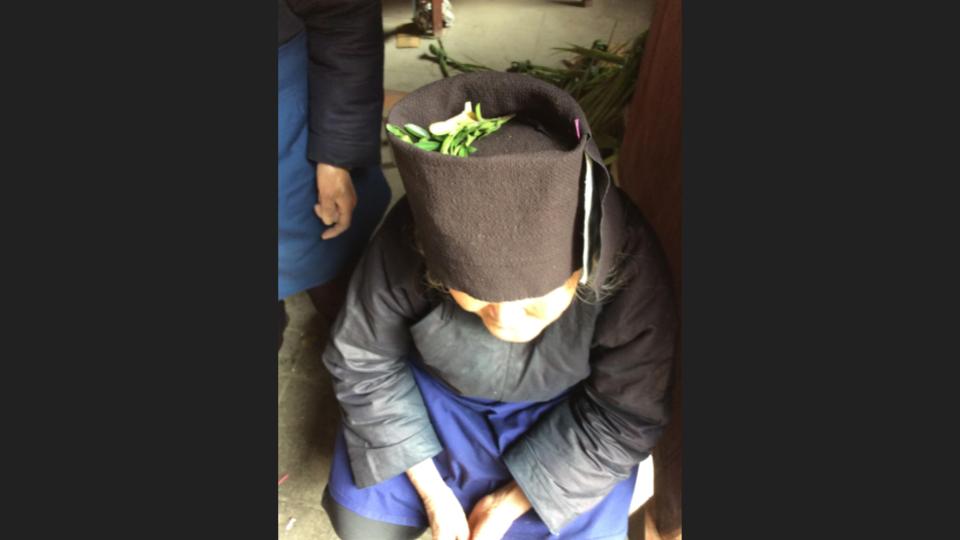
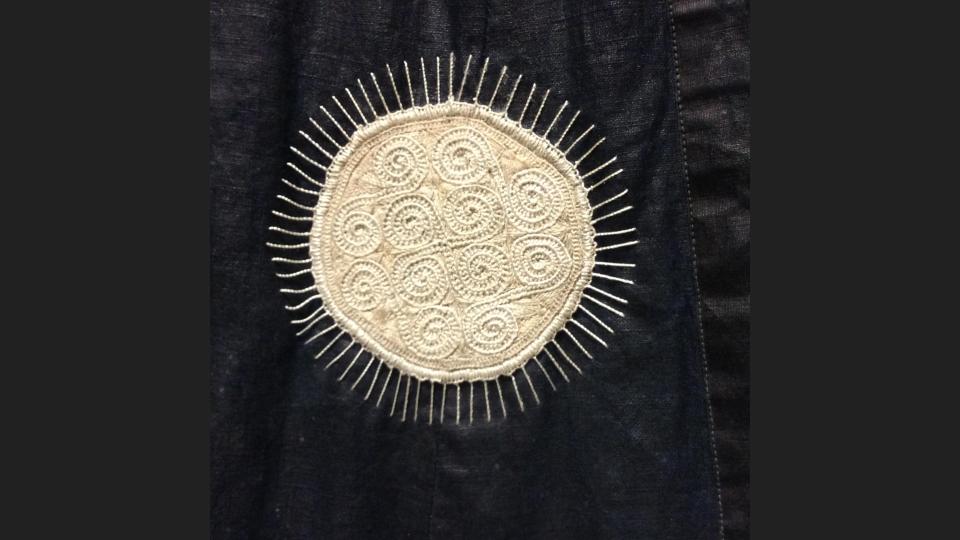
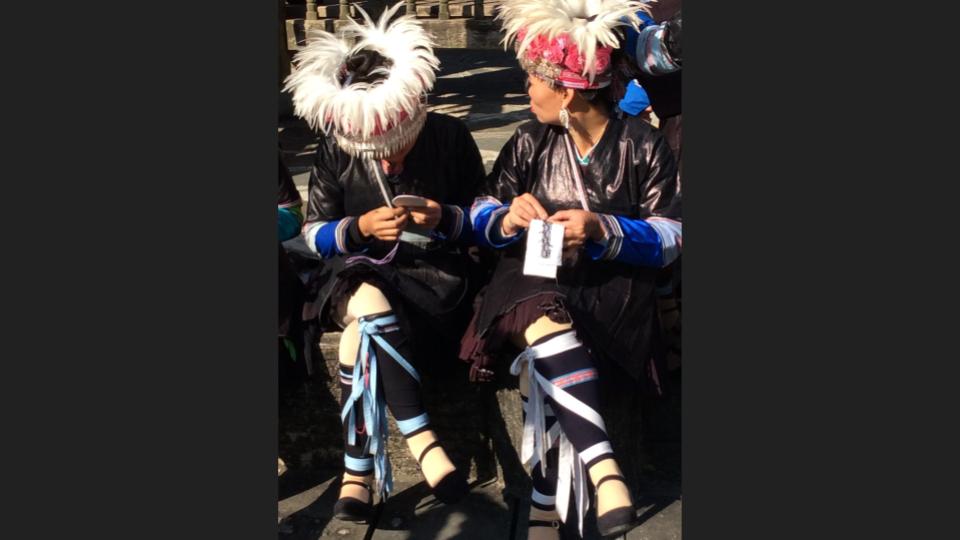
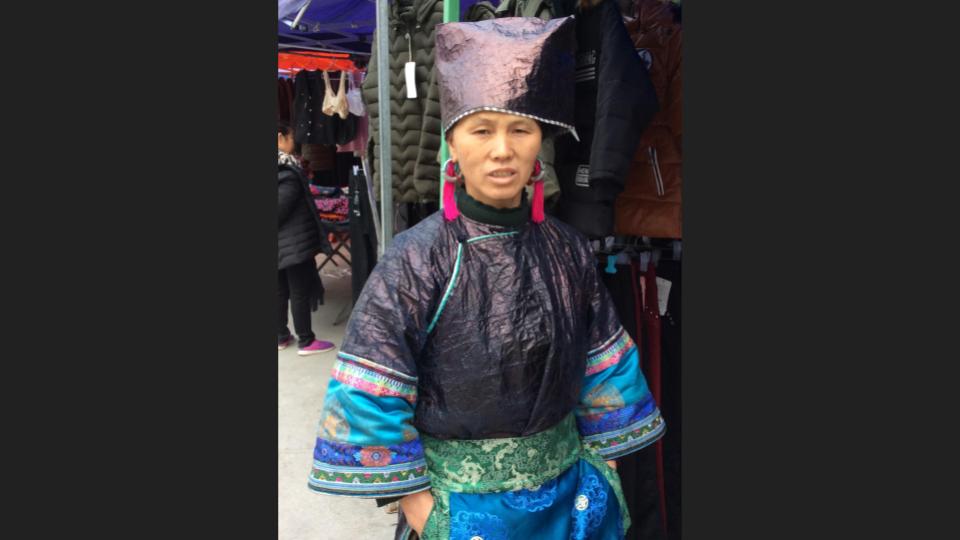
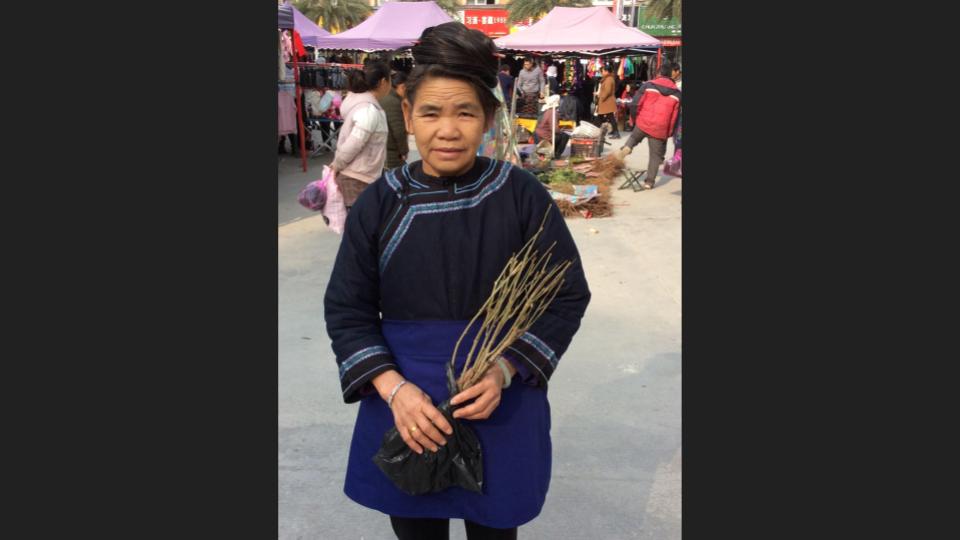
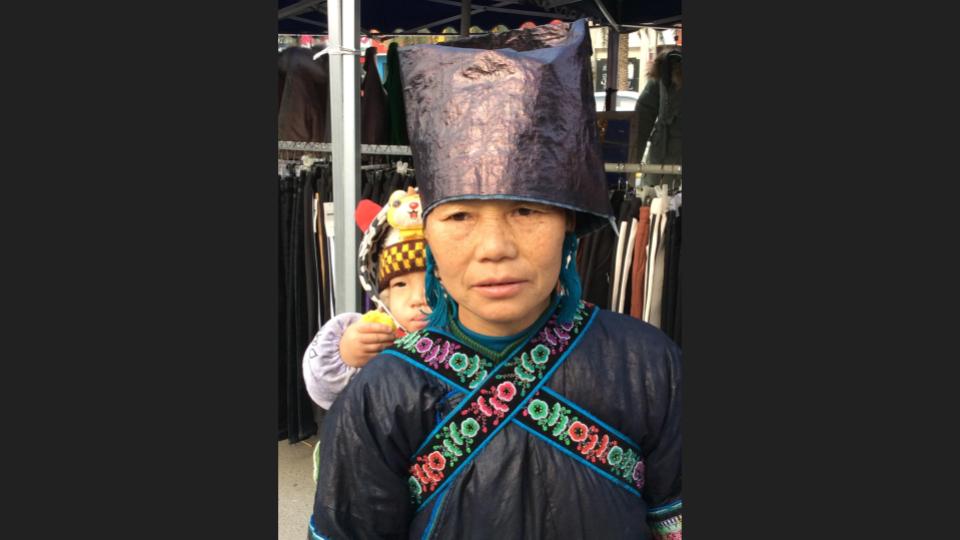
The Guizhou province of South West China is renowned for its diverse and minority groups such as the Dong, The Miao and the Gejia people. Local people wear traditional dress and work in the manufacture of traditional textiles.

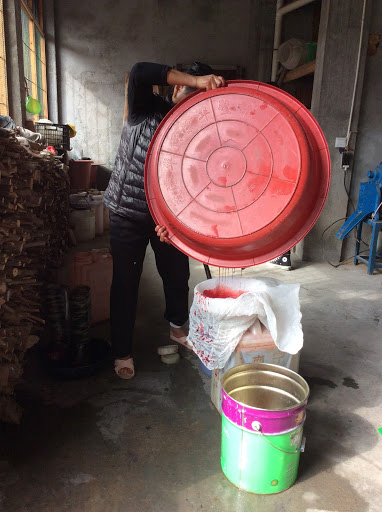
Guizhou- Indigo Textiles:
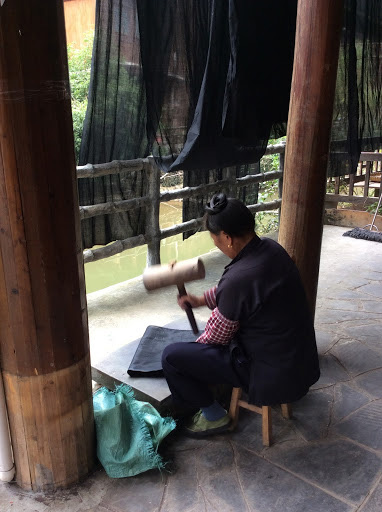
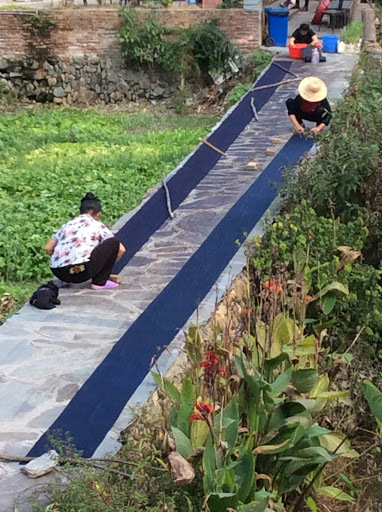
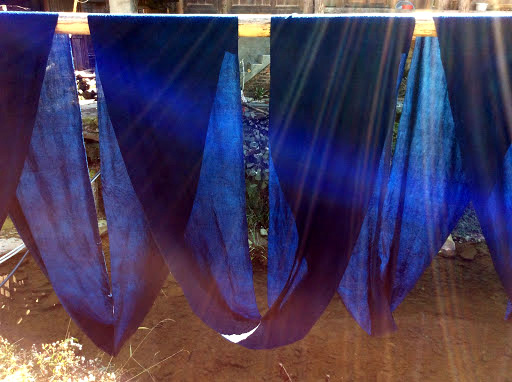
Indigo cloth is beaten to support the infiltration and spread of the dye. Its is mainly pounded by hand with wooden mallets and now with the emerging electric beater.The sound of these echo around every village. Lengths of Indigo cloth are hung or placed outside to dry.

Guizhou- Traditional Dress:

Traditional dress of the Dong, Miao and Gejia people.

Indigo drying, Guizhou

© Copyright - Lu Firth 2025. All rights reserved